
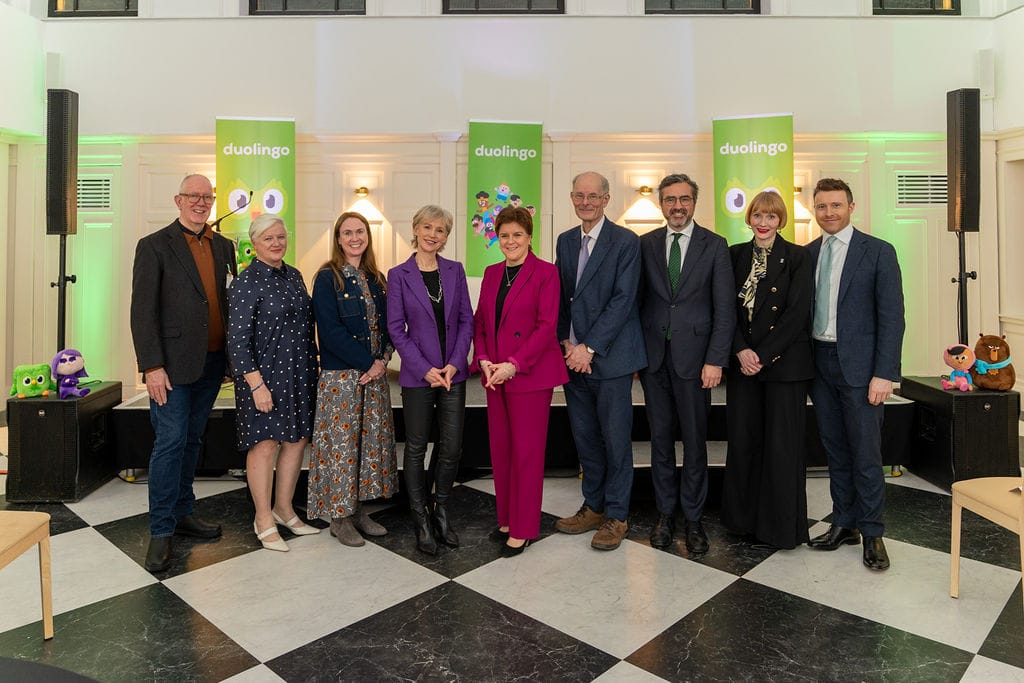
At a moment of political uncertainty and global volatility, our recent event in Scotland, “Elections 2026 and Scotland’s Global Reach,” brought together university leaders, policymakers, and higher education sector voices for a candid discussion about the role higher education plays strengthening Scotland’s position on the global stage.
The conversation set out to examine how universities operate in an environment shaped by geopolitical tension, shifting immigration policy, and public debate about international students. Rather than offering simple answers, the discussion created space for nuance, evidence, and lived experience, and was grounded in the belief that international education remains central to Scotland’s future.
Scotland’s place in global higher education
Throughout the discussion, speakers emphasized Scotland’s outsized role in global higher education. Despite its size, Scotland was repeatedly described as a country whose universities “punch well above their weight” internationally, acting as connectors through research, teaching, alumni networks, and long-term partnerships.
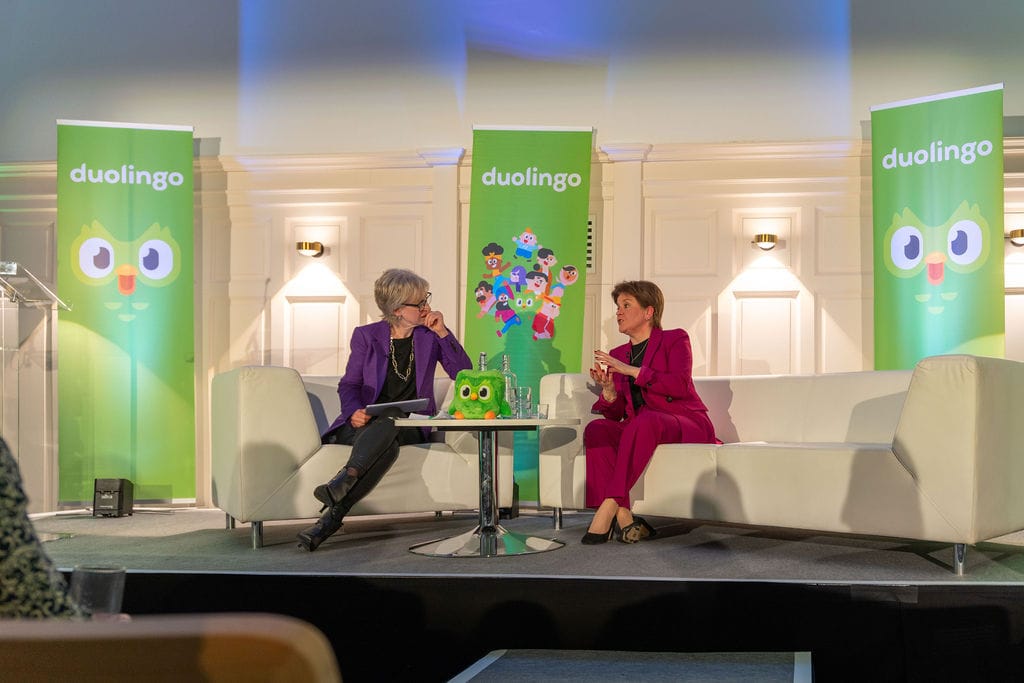
Former First Minister Nicola Sturgeon, in conversation with Chair Sally Magnusson, made a compelling case for the continued importance of soft power. In a world increasingly shaped by hard power and instability, she argued that universities, international students, and cultural exchange are among the most durable assets a country can invest in.
Magnussen’s role as chair helped set the tone for a wide-ranging and open discussion. At one point, she joked about the dynamic on stage—a retired BBC journalist interviewing a retiring politician—a moment that brought warmth to an otherwise serious conversation.
International students, public support, and civic value
The discussion did not shy away from the politicization of higher education. Universities, international students, and immigration policy now feature prominently in public debate, often as proxies for broader questions about identity, growth, and national priorities.
Rachael Sandison, Deputy Vice-Chancellor (External Engagement) at the University of Glasgow and Scotland’s Trade and Investment Envoy for International Education, spoke candidly about this environment. She acknowledged the uncertainty institutions are navigating, while emphasizing the strong public support that continues to exist in Scotland.
Drawing on what she described as her “taxi driver test,” Sandison shared that everyday conversations with members of the public are overwhelmingly positive about international students and their contributions to society, culture, and local economies.
She also called for a broader conversation about the role universities play in civil society, not only as educators, but as partners in shaping and delivering government agendas. Creating space for that contribution, she argued, requires universities to have a stronger voice at the table.
Evidence, geopolitics, and perceptions of welcome
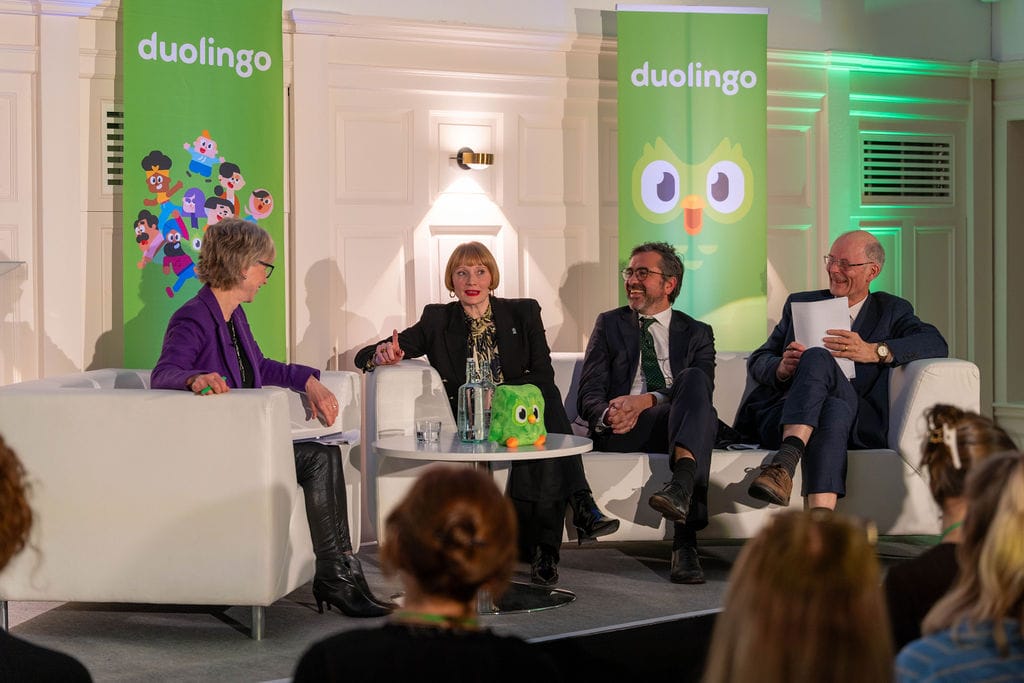
Political scientist John Curtice, Professor of Practice in Politics at the University of Strathclyde, grounded the discussion in evidence, highlighting how shifts in public opinion, electoral dynamics, and media narratives shape the policy environment universities now operate within. His contribution helped situate higher education within wider political trends, reinforcing the importance of data-informed debate rather than assumption or rhetoric.
Alan Gemmell, Labour MP and former British Council country director, spoke about how international students experience these dynamics firsthand. He noted that students today are acutely aware of geopolitical risk, immigration policy, and signals of welcome when choosing where to study.
Within that context, Scotland continues to be perceived internationally as more open and welcoming — a perception reinforced by civic culture, institutional behaviour, and initiatives such as Scotland’s International Education Strategy and Migration Service. This reputation, speakers agreed, remains a meaningful advantage in a competitive global environment.
Technology, access, and the case for collaboration
Technology featured prominently as both an opportunity and a responsibility. Reflecting on how access to information has transformed within a generation, Sturgeon highlighted the scale of change young people experience today.
“The access to information they have at their fingertips is completely transformed from when I was at that stage,” she said. “We need to harness the ability of technology to transform people’s worlds, while also getting to grips with its downsides.”
The discussion also addressed the realities facing international students in an uncertain geopolitical environment. Gemmell noted that students are acutely aware of safety, policy signals, and perceptions of welcome when making decisions about where to study.
“We’re facing an external environment that is incredibly competitive, uncertain, and volatile,” he said. “But I do take some comfort in the fact that Scotland is still seen as more welcoming.”
That perception—reinforced by institutional behavior and civic culture—was widely recognized as a meaningful advantage for Scottish universities.
Panelists repeatedly returned to collaboration as essential for sector resilience. In a constrained environment, collective action across universities, governments, and international partners offers the most sustainable path forward.
A call to action on access
The event closed with a clear call to action from Duolingo’s Senior Director of Strategic Engagement Jen Dewar, who urged institutions to continue centering access and opportunity in their international strategies. She highlighted the role universities can play in expanding pathways for refugee and displaced learners, and invited partners to engage more deeply with the Duolingo English Test Access Program.
The conversation in Scotland reinforced a shared responsibility: to stay engaged, to keep making the case for international education, and to invest in people-to-people connections that endure beyond political cycles. In uncertain times, those commitments matter more than ever.